
Wireless Telecom 101: How Cellular Networks, Towers, and 5G Infrastructure Work
Wireless telecom infrastructure supports nearly every aspect of modern communication — from phone calls and text messages to streaming, navigation, and business operations. But how does a cellular network actually function? Who owns cell towers? And how do property owners fit into the equation? This guide explains the fundamentals of wireless networks, tower infrastructure, and telecom leasing in the United States.
Why Is It Called a “Cellular” Network?
A cellular network is named for the way service areas are divided into geographic “cells.” Each cell is served by antennas and radio equipment installed on a tower, rooftop, or other elevated structure. When mapped from above, these overlapping coverage areas resemble a honeycomb pattern.
As a mobile device moves, it automatically connects to the nearest cell site. If coverage gaps exist, users may experience a weak signal or dropped calls. To keep pace with rising mobile data usage, carriers have reduced cell sizes in many markets, increasing network density to improve speed and capacity.
How Many Wireless Carriers Operate in the U.S.?
There are three nationwide facilities-based wireless carriers:
- AT&T
- Verizon
- T-Mobile
These companies own and operate their wireless networks.
Other providers, such as Consumer Cellular, are Mobile Virtual Network Operators (MVNOs). MVNOs lease access to existing carrier networks but do not own the underlying wireless infrastructure.
How Do Cellular Networks Deliver Service?
Wireless carriers deploy antennas and radio equipment on:
- Purpose-built cell towers
- Commercial building rooftops
- Utility poles
- Water tanks
- Other vertical structures
Each site connects to fiber backhaul and switching facilities that route voice and data traffic across regional and national networks.
Infrastructure placement depends on population density, terrain, zoning regulations, and usage demand. As mobile consumption grows, carriers increasingly rely on both traditional macro towers and smaller installations to maintain performance.
Who Owns Cell Towers?
While carriers historically built and owned their own towers, many sold those assets to independent infrastructure companies over the past two decades. Today, most large towers are owned by third-party operators that lease antenna space to multiple carriers.
Major publicly traded tower companies include:
- SBA Communications
- Crown Castle
- American Tower Corporation
This shared-infrastructure model reduces duplication of towers and supports more efficient wireless network expansion.
How Do Property Owners Benefit from Hosting Wireless Infrastructure?
Property owners who host a cell tower or rooftop antenna may receive recurring lease payments from a wireless carrier or tower company. These agreements grant the operator the right to install and maintain telecommunications equipment on the property.
Wireless leases are often long-term and may include periodic rent increases. In many cases, the equipment owner is responsible for its own utilities, maintenance, and related costs.
For some landowners and commercial building owners, telecom infrastructure can represent an additional income stream tied to existing real estate. Compensation and lease structures vary based on market demand, location, and network needs.
What Is 5G?
5G stands for “fifth generation” wireless technology. Each generation improves network speed, capacity, and latency.
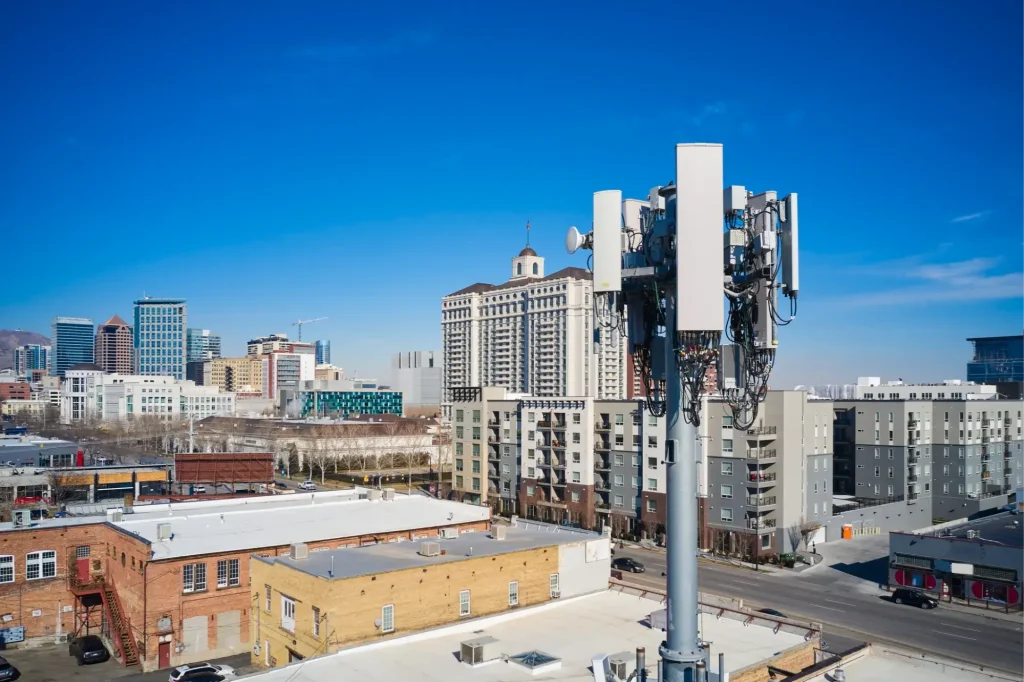
Unlike earlier technologies that relied primarily on large macro towers, 5G uses a combination of traditional towers and smaller sites known as small cells. These smaller installations increase network density, particularly in urban and high-traffic areas. Future advancements will eventually lead to 6G as new standards are adopted.
About 17 Mile
At 17 Mile, we invest in real estate that includes existing wireless infrastructure, such as cell tower ground leases and rooftop antenna agreements with major carriers. We’re private investors—not brokers—and our capital, experience, and focus allow us to move quickly on opportunities.
With over 30 years of combined experience in both real estate and wireless infrastructure, we understand the unique challenges of these properties. From navigating lease agreements to working with carriers and managing land use considerations, we know how to handle transactions efficiently and effectively.
17 Mile Commercial Real Estate
Trusted Buyer. Proven Closer. Preferred Partner.
Learn More
Looking to learn more? Explore these insights and updates to better understand our business and the wireless real estate landscape.